Neuronavigation-guided excision is a technique for removing a brain tumor using ...See More
Jul 16, 2026
Precision Treatment for Brain & Spine Conditions
.png)
Endoscopic surgeries for brain, spine, and stroke recovery.
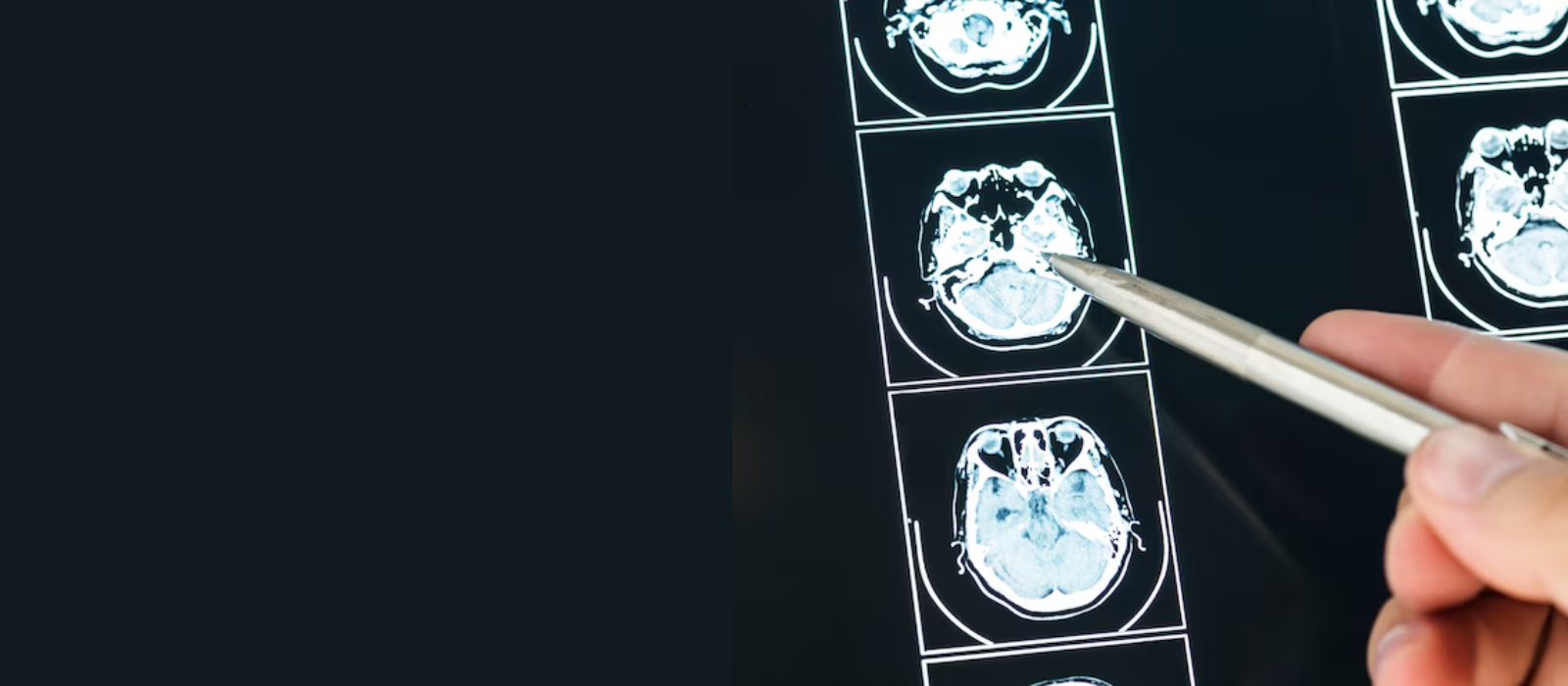
Treating brain injuries, tumors, and spine conditions with care.
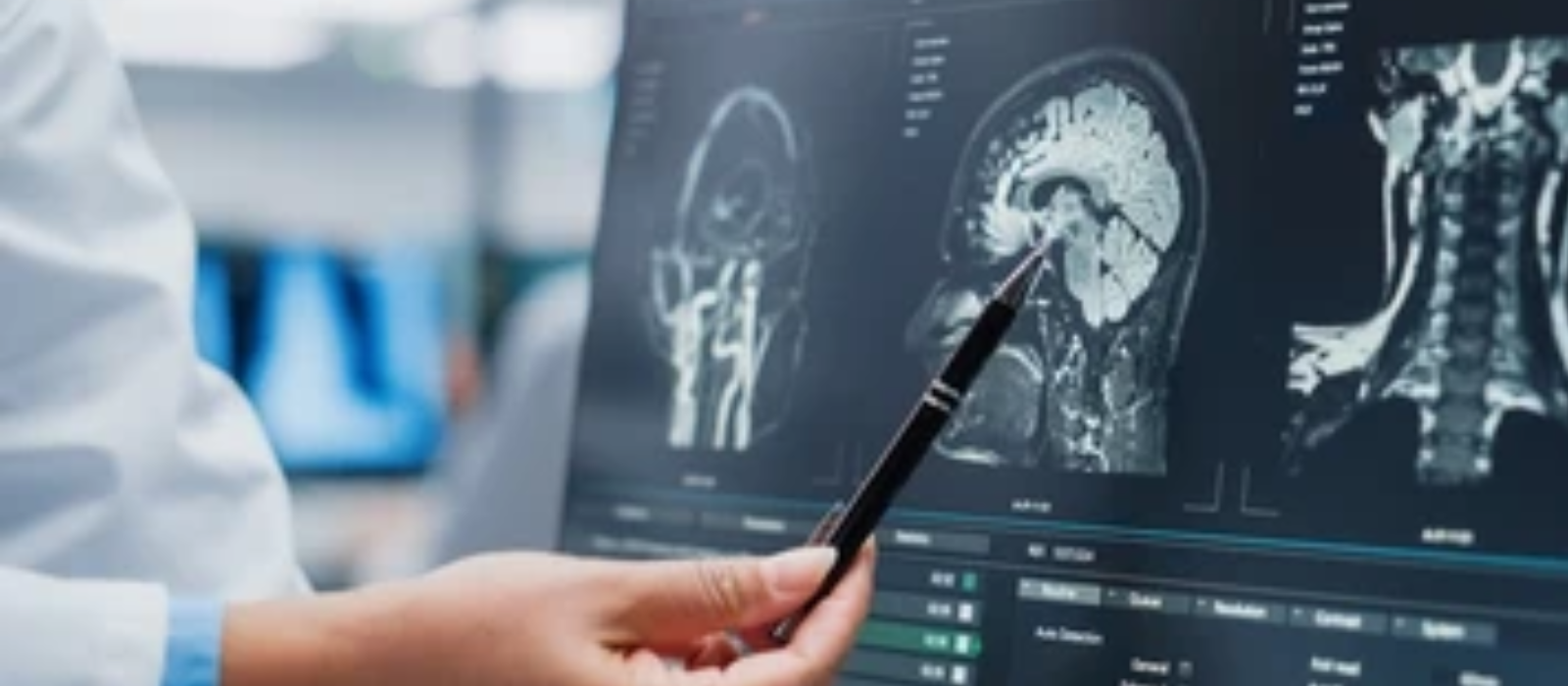
Expert in head injuries, spine fixation, and tumor treatments.
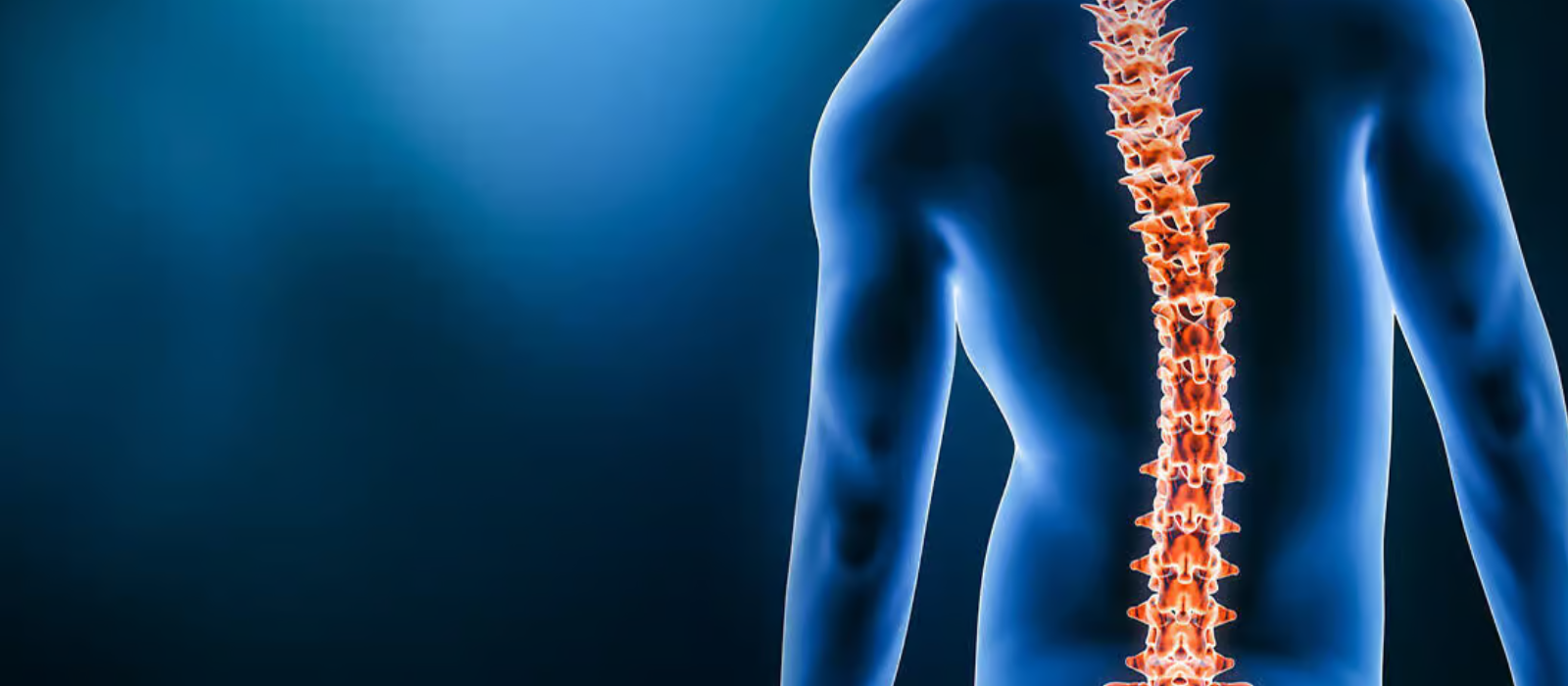
.png)
.png)
About Us
Years
Brain Surgeries Performed
Spine Surgeries Done
Happy Patients



Leading-Edge Care for Brain & Spine Disorders

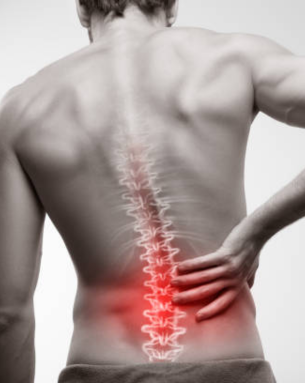
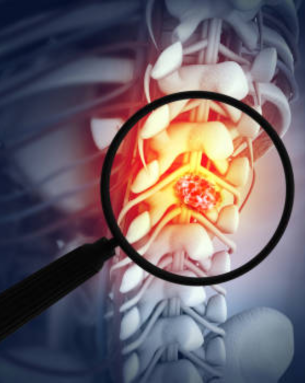
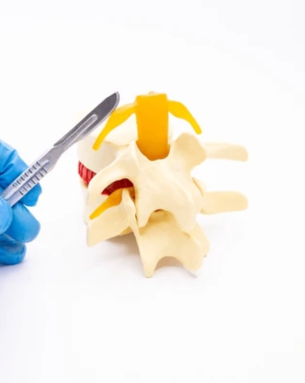
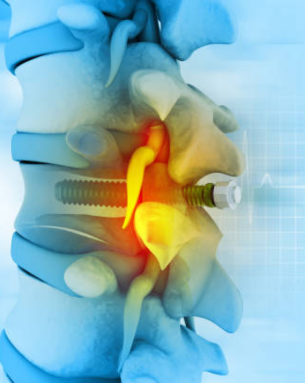
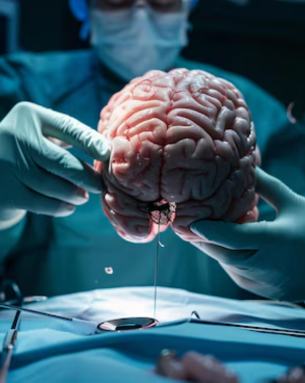
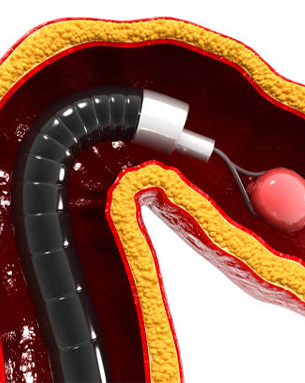
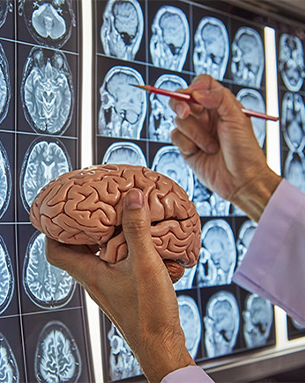
Stay informed with our latest updates, posts, announcements, and healthcare news
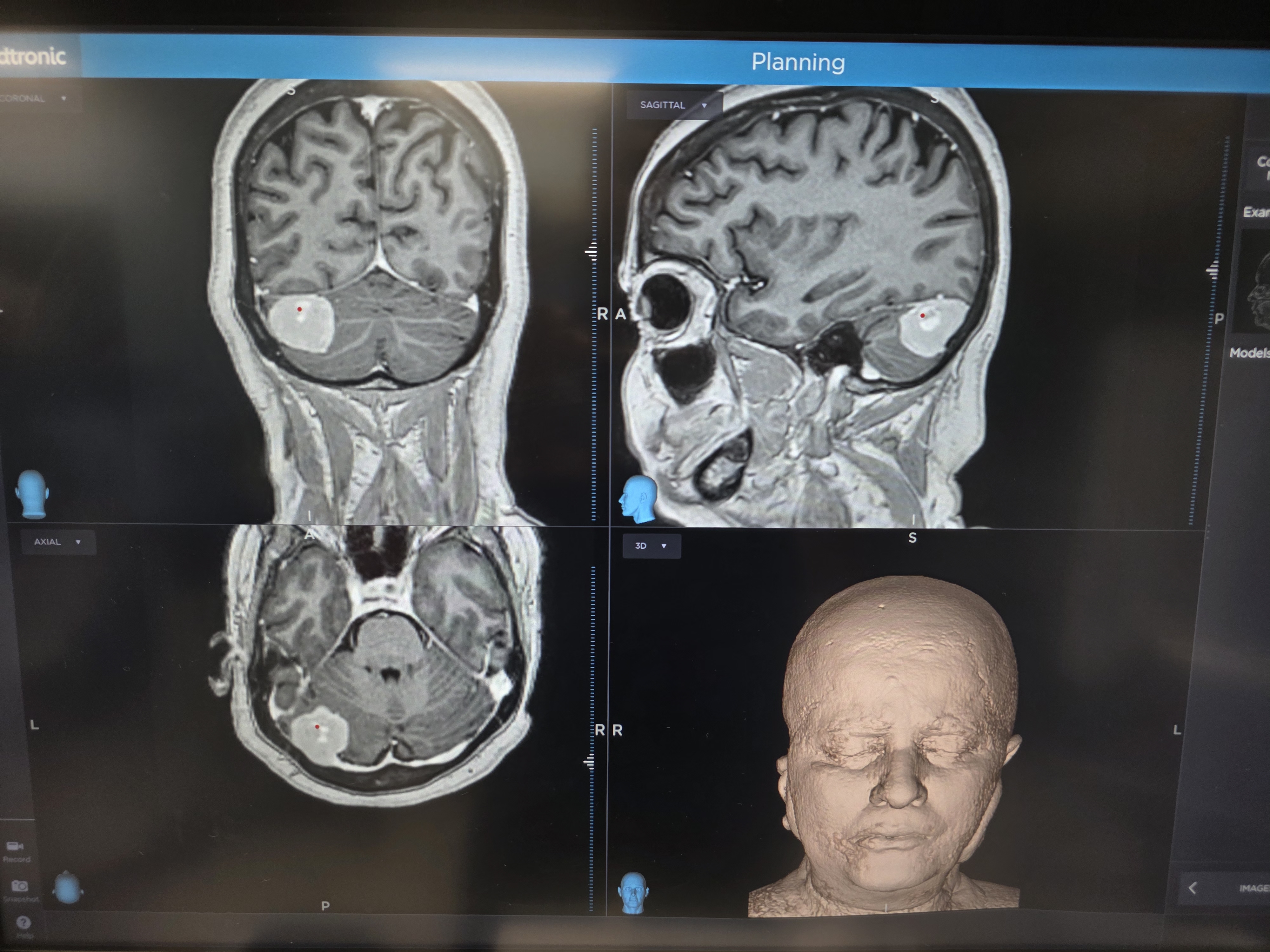
Neuronavigation-guided excision is a technique for removing a brain tumor using ...See More
Jul 16, 2026
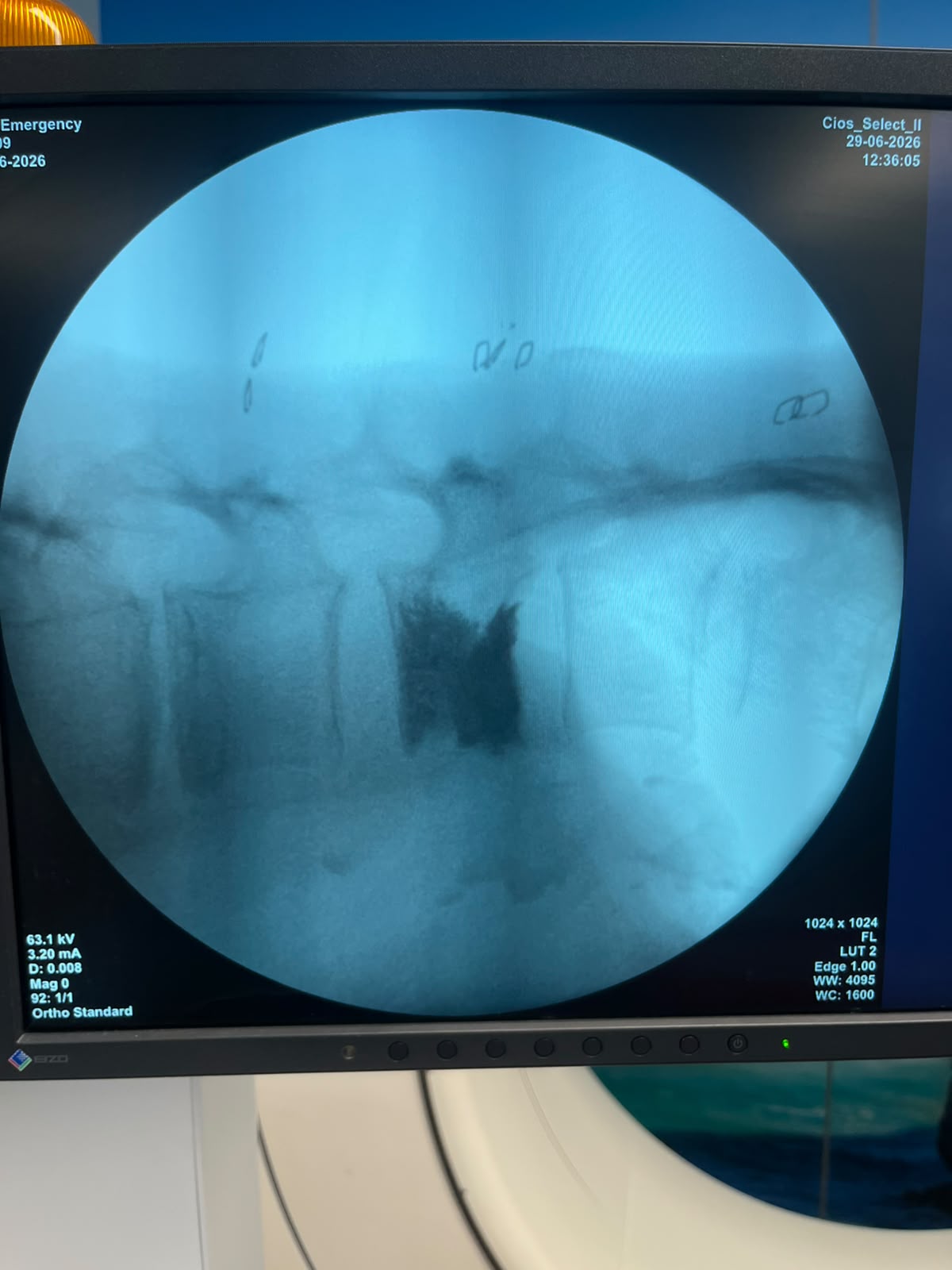
Balloon kyphoplasty is a minimally invasive treatment for painful osteoporotic v...See More
Jul 10, 2026
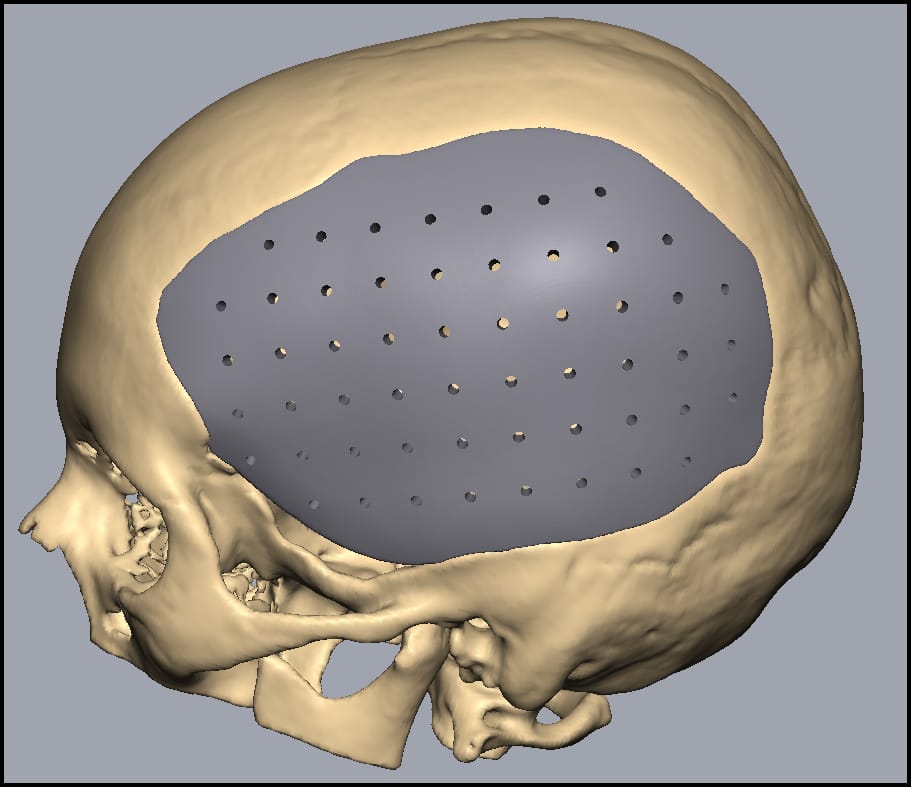
PEEK cranioplasty uses a patient-specific polyetheretherketone implant to repair...See More
May 30, 2026
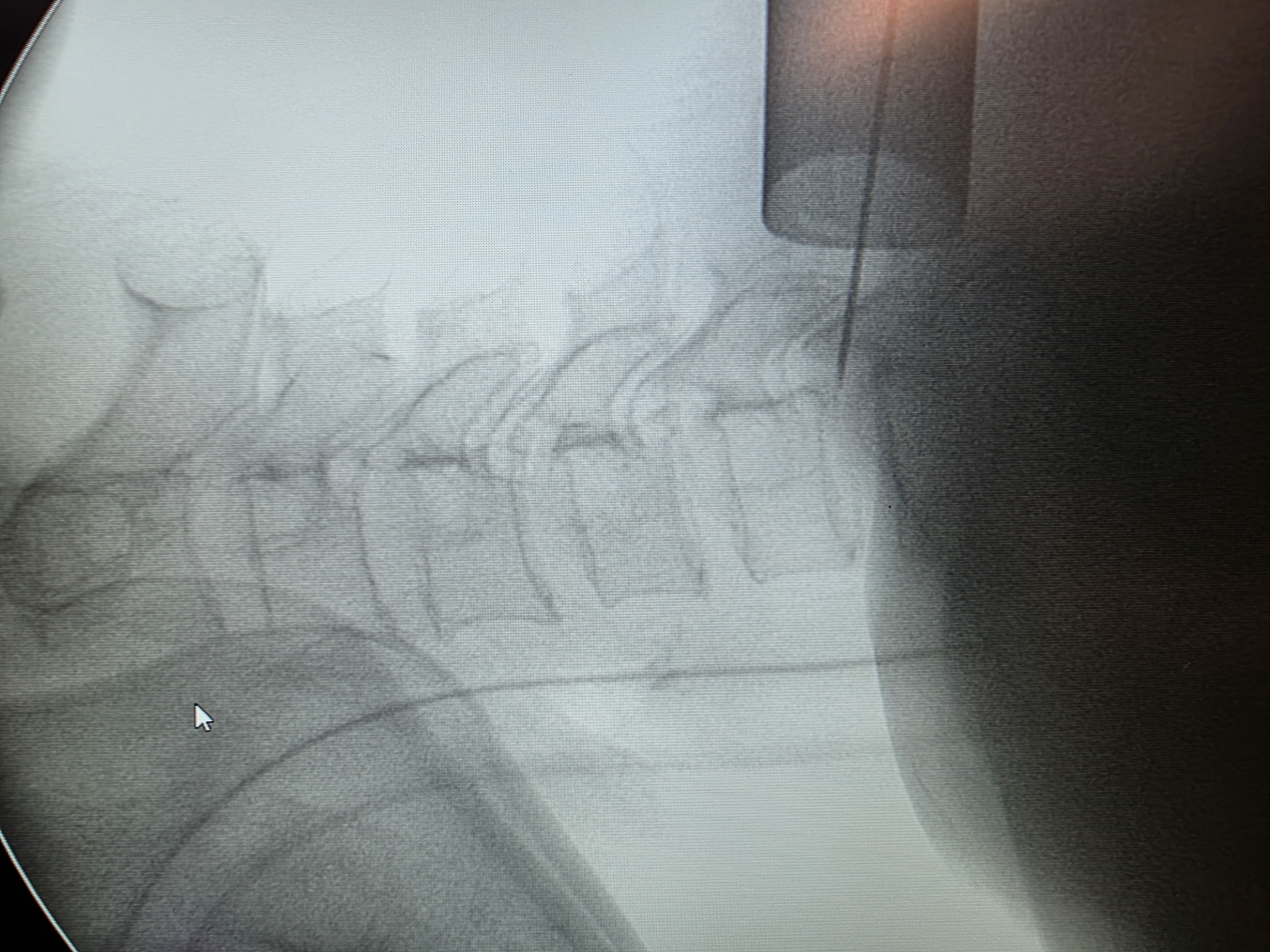
Benefits of endoscopic cervical discectomy may include: - Smaller incision and ...See More
May 18, 2026
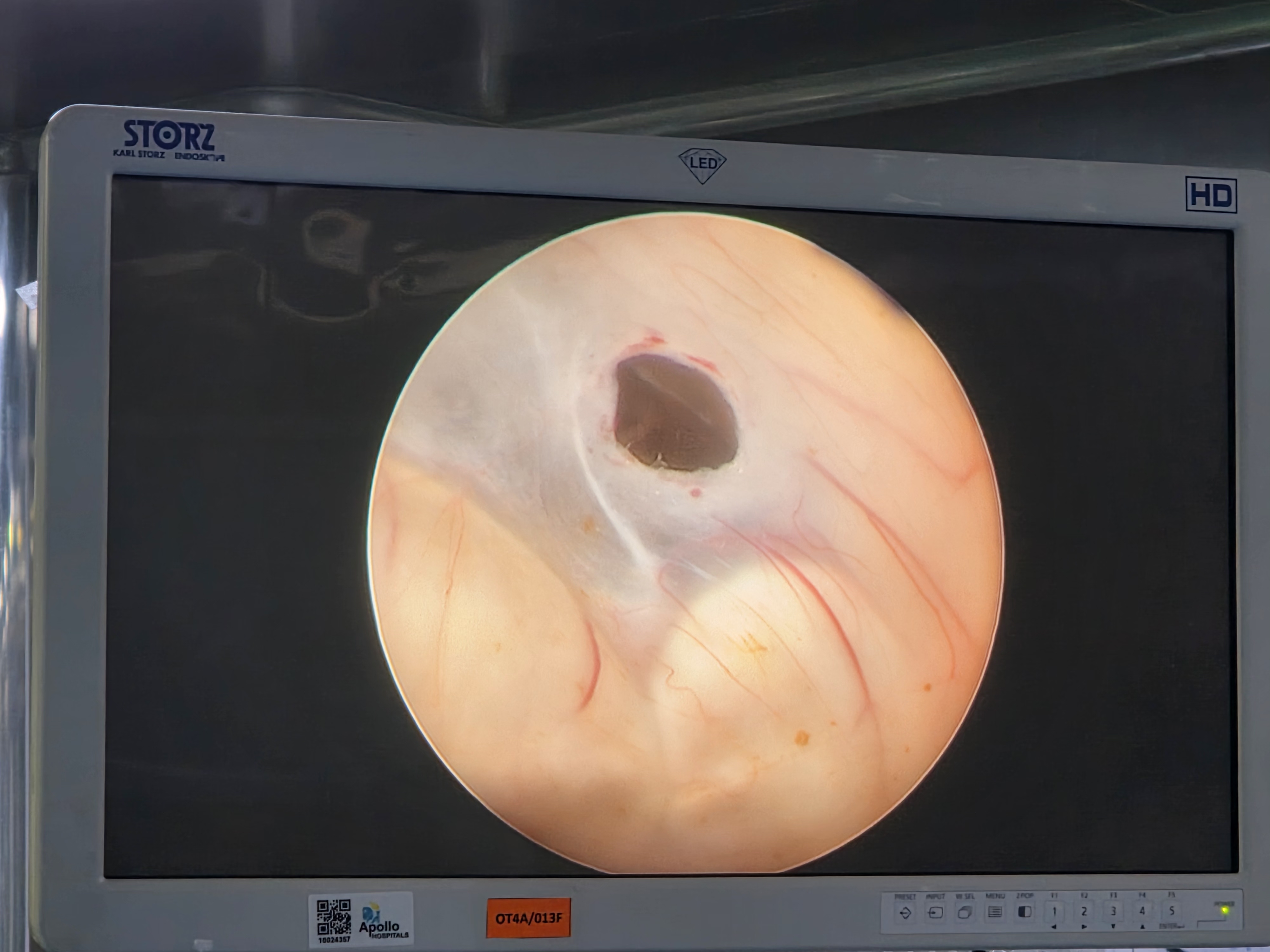
Endoscopic third ventriculostomy (ETV) is a minimally invasive neurosurgical pro...See More
Jun 17, 2026
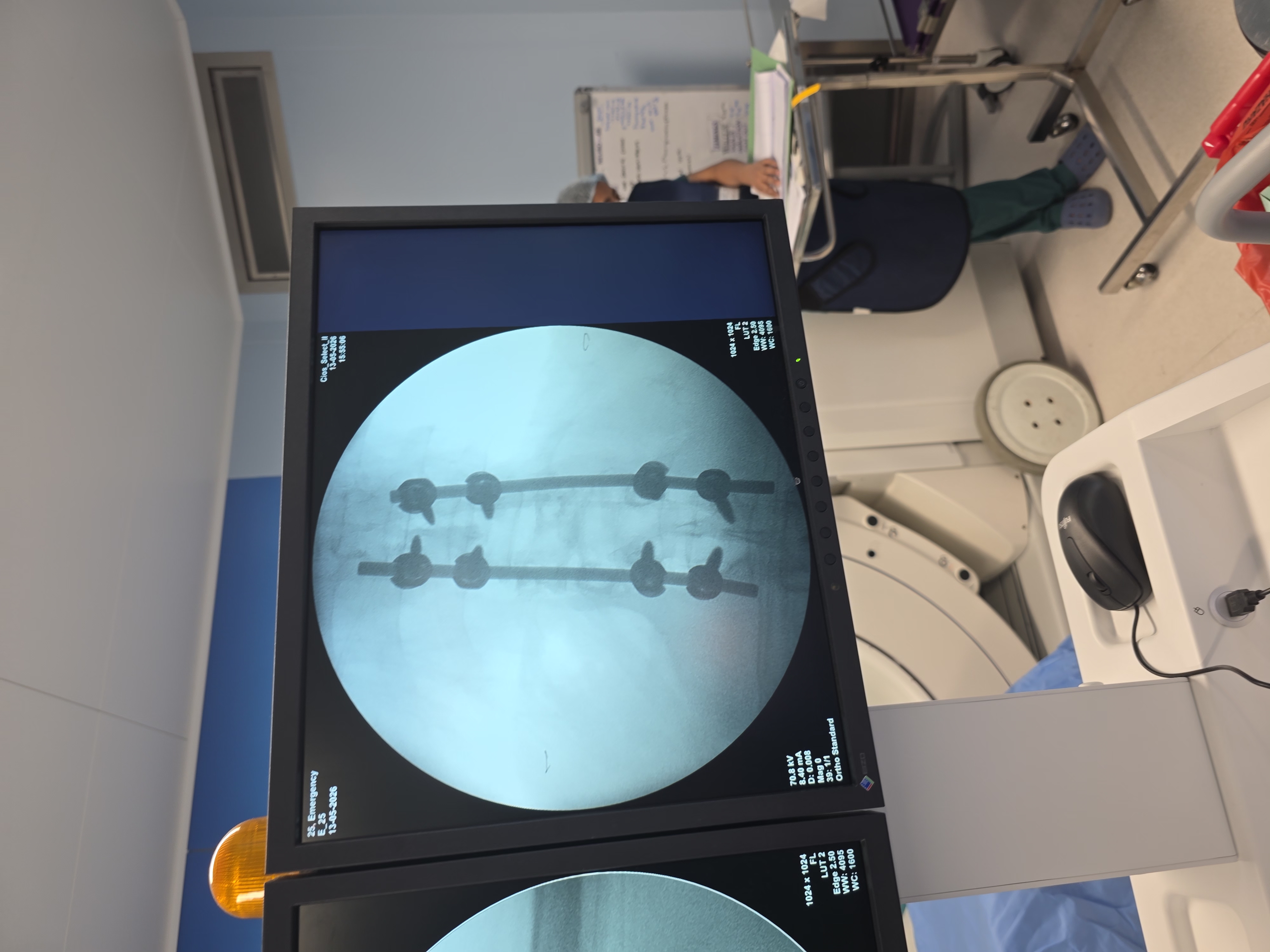
Spine fixation is a surgical procedure used to stabilize the vertebral column af...See More
May 15, 2026
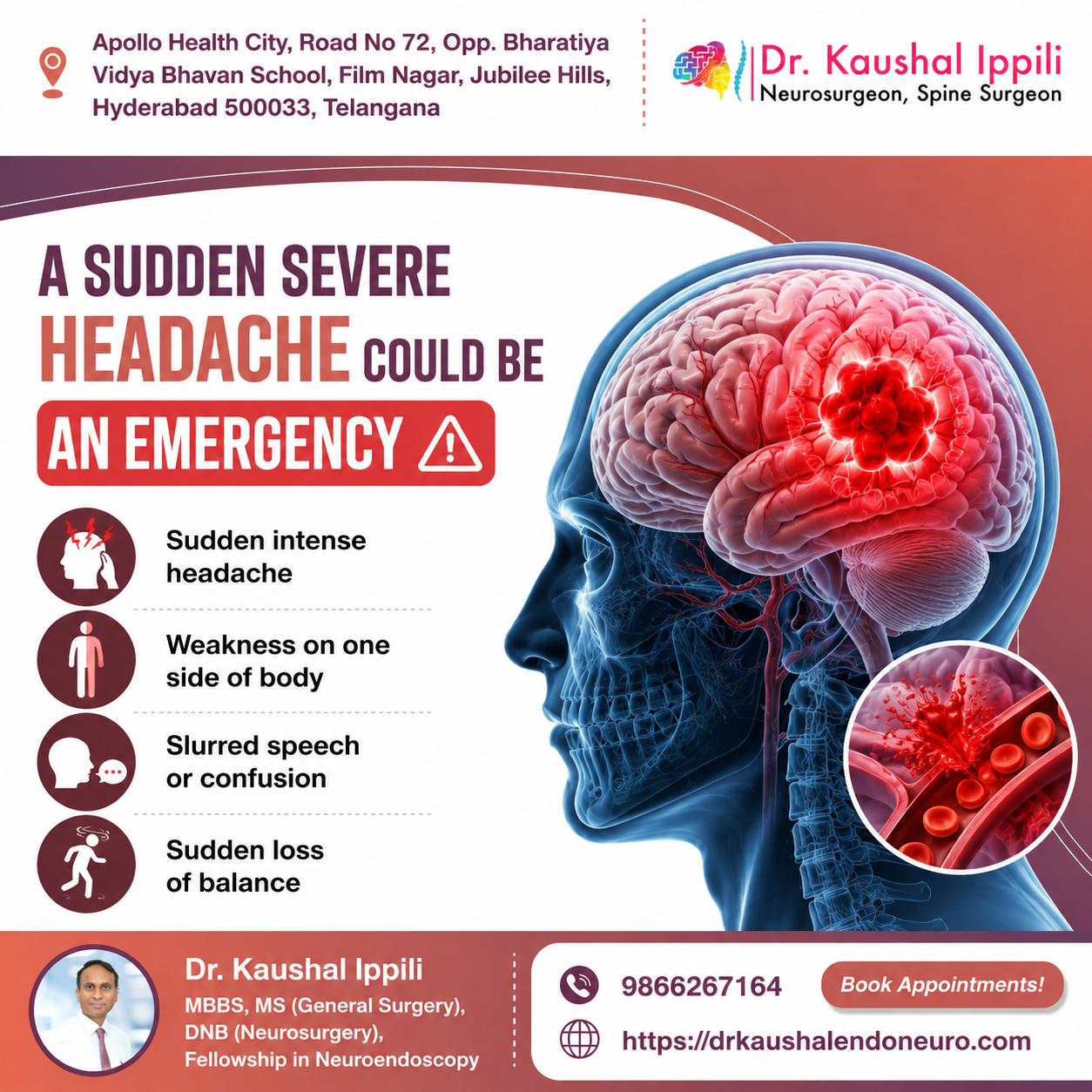
A sudden, severe headache can signal a medical emergency, including stroke, blee...See More
May 15, 2026
Spine Legion is your trusted source for spine health information, support, and s...See More
Apr 09, 2026
Neurosurgeon, Spine Surgeon
 (4).png)
What our Patients says about us
I had visited Kaushal for neuro related problems due to stress and anxiety and frequent headache. He had prescribed medicine and just used for a month and I completely become normal. I had visited few other doctors before but no one has written apt medicine. i would definitely recommend Dr. Kaushal for neuro related issues.

I had undergone Robotic minimum invasive spine surgery on 11 march 2022. I am 70 now. Dr. Kaushal Ippili conducted the procedure very successfully. I feel I will have better quality of life for my future. I have all compliments to Dr. Kaushal Ippili. My regards always Doctor
The doctor is really friendly and makes you comfortable He explained issue and cause and it's consequences if unattended. He has lot of patience to deal many patients. I would definitely recommend to consult Dr. Kaushal for any treatment for neurological disorders. He would definitely help you for you leading a better life
Our Latest Videos


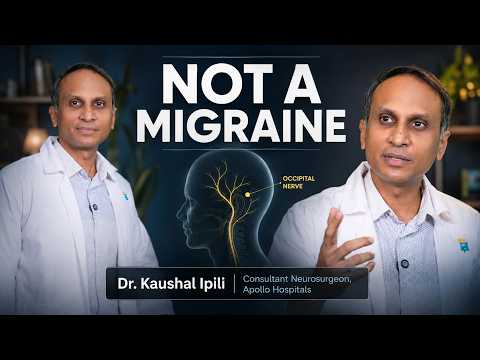





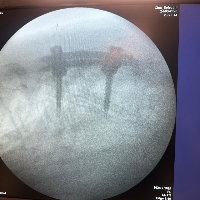
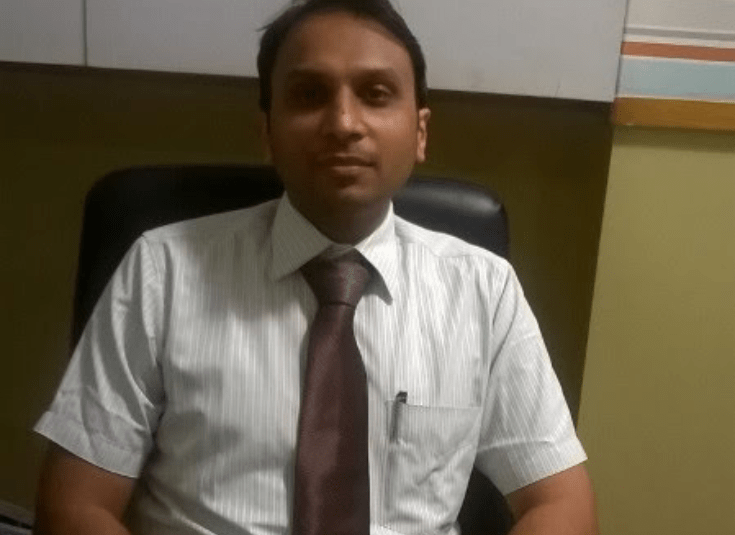

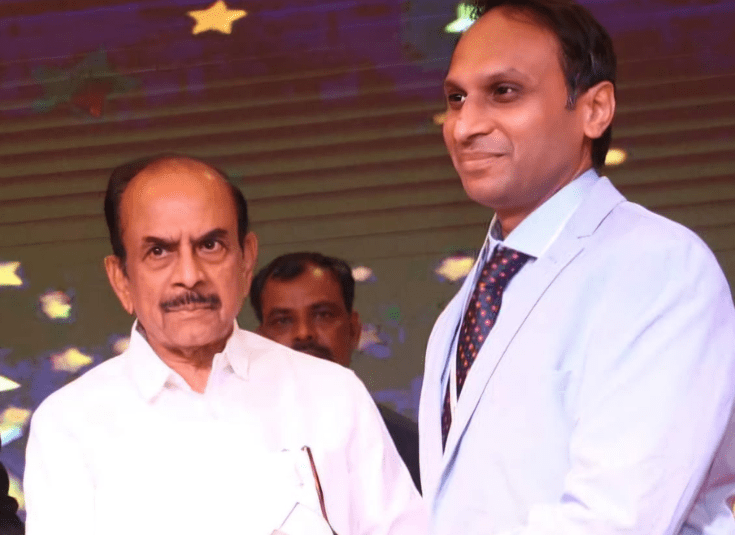
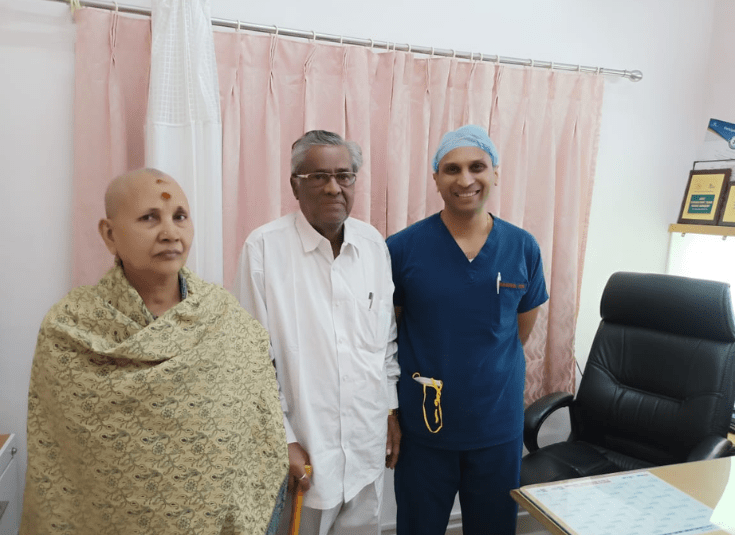
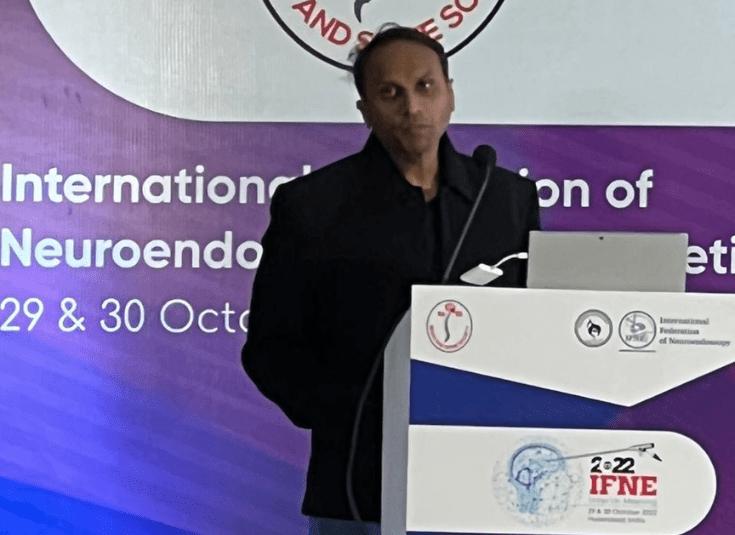
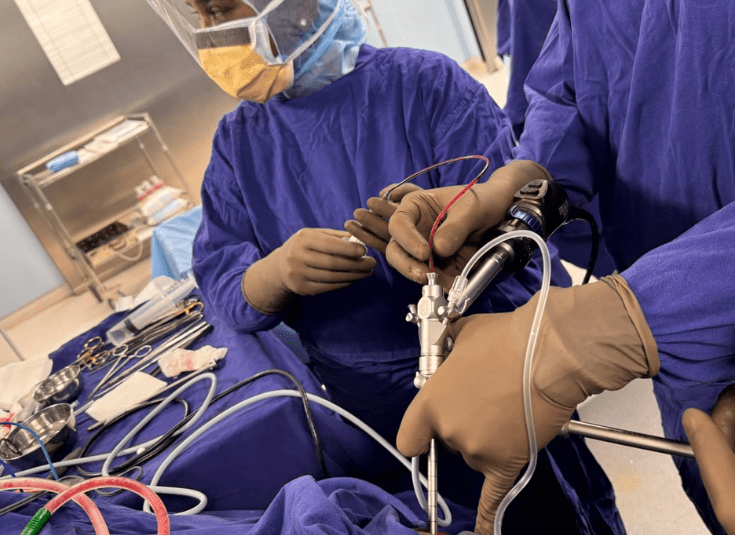
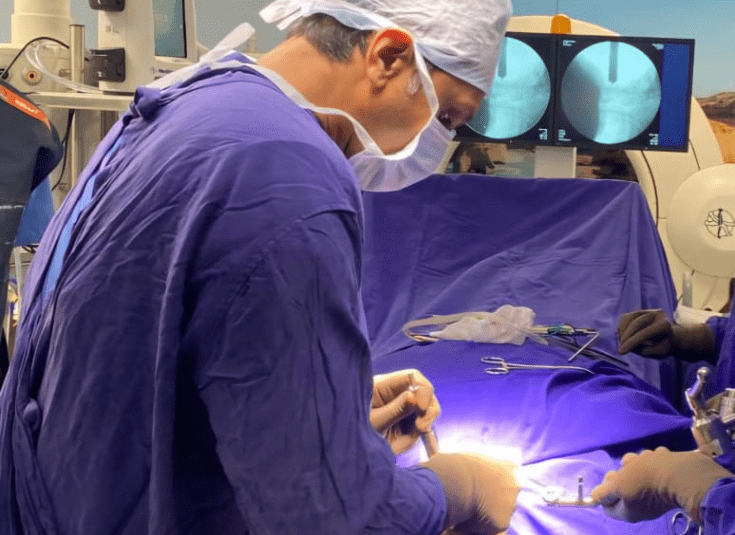
Dr. Kaushal Ippili is a distinguished neurosurgeon in Hyderabad with over 15 years of experience. Renowned for his expertise in brain, spine, and nerve surgeries, Dr. Ippili employs a precision-based, patient-centered approach. He specializes in minimally invasive procedures like neuroendoscopy, showcasing his adeptness in advanced techniques. His extensive training, including degrees in MBBS, MS, and DNB Neurosurgery, along with a fellowship in Neuroendoscopy, underscores his proficiency and dedication to cutting-edge neurosurgical practices.
Dr. Kaushal Ippili ensures a clear and compassionate communication environment for his patients. Fluent in English, Hindi, and Telugu, he effectively bridges language barriers, offering comfort and understanding to individuals from diverse backgrounds. His patient-centered approach prioritizes open dialogue, allowing patients to express concerns and understand their treatment plans. This commitment to effective communication fosters a reassuring experience for patients undergoing brain and spine surgeries, enhancing their overall care and treatment journey.
After a head injury, it's crucial to seek medical attention, even if symptoms seem mild. Observe for signs like confusion, persistent headache, or vomiting. Rest is important, but avoid sleeping immediately after the injury without consulting a healthcare professional. Applying a cold pack can help reduce swelling. It's essential to monitor symptoms as some issues might develop later. Follow up with a neurosurgeon if required.
Spine injuries are diagnosed using a combination of physical examinations and imaging tests like X-rays, MRIs, or CT scans. These tools help identify fractures, disc problems, or other abnormalities. A neurosurgeon examines your medical history and symptoms to tailor the diagnostic procedure. Prompt diagnosis improves treatment success rates, so it's essential to have any back pain or injury evaluated quickly.
Treatment for brain and spine tumors includes surgery, radiation therapy, and chemotherapy, depending on the tumor type, location, and patient's overall health. Surgery aims to remove as much of the tumor as possible. Advanced techniques, such as endoscopic brain and spine surgery, offer minimally invasive options with quicker recovery times. A neurosurgeon will tailor the treatment plan to your specific case for optimal outcomes.
Disc surgery may be necessary if you experience persistent back or neck pain, numbness, tingling, or weakness in your arms or legs, or if conservative treatments fail to provide relief. Disc issues like herniation can press on spinal nerves, causing severe symptoms. A neurosurgeon will evaluate your condition using imaging tests to determine if surgery, such as discectomy, is the best solution.
Spine fixation stabilizes the spinal column by using rods, screws, and cages to facilitate fusion between vertebrae. This procedure is crucial after fractures, severe degeneration, or to correct deformities, ensuring proper spine alignment and reducing pain. Fixation can improve stability, allowing patients to return to daily activities with reduced pain and risk of future injuries. A neurosurgeon will discuss surgical approaches based on your specific needs.
Recovery from endoscopic brain surgery is generally quicker than traditional open surgery due to its minimally invasive nature. Patients may experience a hospital stay of one to three days, with many returning to normal activities within weeks. Complete recovery can vary based on individual health and complexity of the surgery. A neurosurgeon will provide post-operative care instructions to support a smooth and swift recovery.
Endoscopic spine surgery has evolved with advancements that allow for smaller incisions, minimizing tissue damage and scarring. This results in less pain and quicker recovery times for patients. Enhanced imaging technologies and instruments have improved precision and outcomes. Neurosurgeons can now treat complex spinal conditions with reduced risks compared to traditional surgery, offering patients a less invasive option with effective results.
Brain tumors are detected using imaging techniques such as MRI or CT scans, which provide detailed views of the brain's structures. Symptoms like persistent headaches, changes in vision, personality shifts, or seizures often prompt these investigations. A neurosurgeon may also recommend a biopsy to determine the tumor type. Early detection and diagnosis are critical for effective treatment planning and improving prognosis.
Spine surgery is recommended when conservative treatments like medication and physical therapy fail to resolve symptoms such as persistent pain, nerve compression, or instability following a spine injury. Conditions like herniated discs or spinal fractures may require surgical intervention. A neurosurgeon assesses imaging studies and patient symptoms to determine if procedures, such as spinal fusion or decompression, are necessary to restore mobility and reduce pain.
Severe spinal injuries may present with symptoms like sudden, severe back or neck pain, loss of mobility, or changes in sensation, including numbness or tingling in extremities. Other signs include weakness or paralysis, and in extreme cases, loss of bladder or bowel control. Immediate medical attention is necessary for these symptoms. A neurosurgeon can evaluate the extent of injury and recommend appropriate interventions.
A neurosurgeon considers several factors before deciding on a tumor treatment plan, including the tumor's type, size, location, and the patient's overall health. Options may include surgical removal, radiation therapy, or chemotherapy. The goal is to remove or control the tumor while minimizing impact on function and quality of life. Multidisciplinary teams often collaborate to develop a personalized, comprehensive treatment strategy for the patient.
Disc surgeries, like any surgery, carry risks, including infection, bleeding, nerve damage, and reactions to anesthesia. Specific risks also include spinal instability and pain recurrence. Modern surgical techniques, especially minimally invasive procedures, have greatly minimized these risks. Before surgery, a neurosurgeon will discuss potential complications and their likelihood with you, ensuring you are fully informed. Proper aftercare and rehabilitation are essential for optimal recovery.
Yes, spine fixation can significantly enhance mobility for patients dealing with spinal conditions by providing stability and correcting deformities. It alleviates pain caused by friction between unstable vertebrae, allowing for more natural movement and improving quality of life. Although the procedure involves a period of recovery, most patients experience long-term benefits post-surgery. A neurosurgeon offers guidance on exercises and activities to maximize recovery outcomes.
Recovery from spine surgery involves rest, physical therapy, and gradual activity increase. Initial recovery may include hospital stay and pain management. Physical therapy tailored by a neurosurgeon helps restore strength, flexibility, and function. Full recovery can take weeks to months depending on surgery complexity and individual health. Follow-up visits monitor healing progress. Adherence to your neurosurgeon's guidelines is crucial for a successful recovery and return to daily activities.
 Address :Apollo Health City, Road No 72, Opp. Bharatiya Vidya Bhavan School, Film Nagar, Jubilee Hills, Hyderabad 500033, Telangana